


What Is Towing Capacity? (And How Is It Calculated)
What Is Towing Capacity? (And How Is It Calculated)
If you’re shopping for a truck or SUV, one of the first specs you’ll see is towing capacity—but what does it actually mean?
Towing capacity is the maximum weight a vehicle can safely pull behind it. That includes trailers, boats, campers, and anything else you’re hauling.
It’s not just a random number either—it’s calculated using a combination of engineering limits like engine strength, frame durability, braking capability, and overall vehicle weight.
How Is Towing Capacity Calculated?
Towing capacity isn’t guessed—it’s calculated using a few key numbers:
1. Gross Combined Weight Rating (GCWR)
This is the maximum total weight of:
- Your vehicle
- Passengers
- Cargo
- Trailer
2. Curb Weight
The weight of the vehicle by itself (no passengers or cargo).
3. Payload
Everything added to the vehicle—people, gear, tools, etc.
The Basic Formula
Towing Capacity = GCWR – (Curb Weight + Payload)
That’s why two trucks that look identical can have different towing capacities—trim level, engine, and equipment all matter.
What Impacts Towing Capacity?
A few key factors determine how much a vehicle can tow:
- Engine power & torque – More torque = better pulling ability
- Transmission & gearing – Helps manage heavy loads
- Frame strength – Especially important in trucks
- Brakes & suspension – Critical for safety and control
- Drivetrain (2WD vs 4WD) – Can slightly affect ratings
Ford Towing Capacity by Vehicle Type
Ford builds everything from compact SUVs to heavy-duty trucks, so towing capacity varies a lot.
Ford Trucks (Best for Heavy Towing)
- Ford F-150 – Up to 13,500 lbs when properly equipped
- Ford Super Duty (F-250 / F-350) – Can exceed 20,000+ lbs depending on configuration (top-tier towing leaders)
👉 Compared to competitors like the Chevy Silverado 1500 (~13,300 lbs), the F-150 stays right at the top of the half-ton class. Browse our New Ford Truck inventory.
Ford SUVs (Balanced Capability)
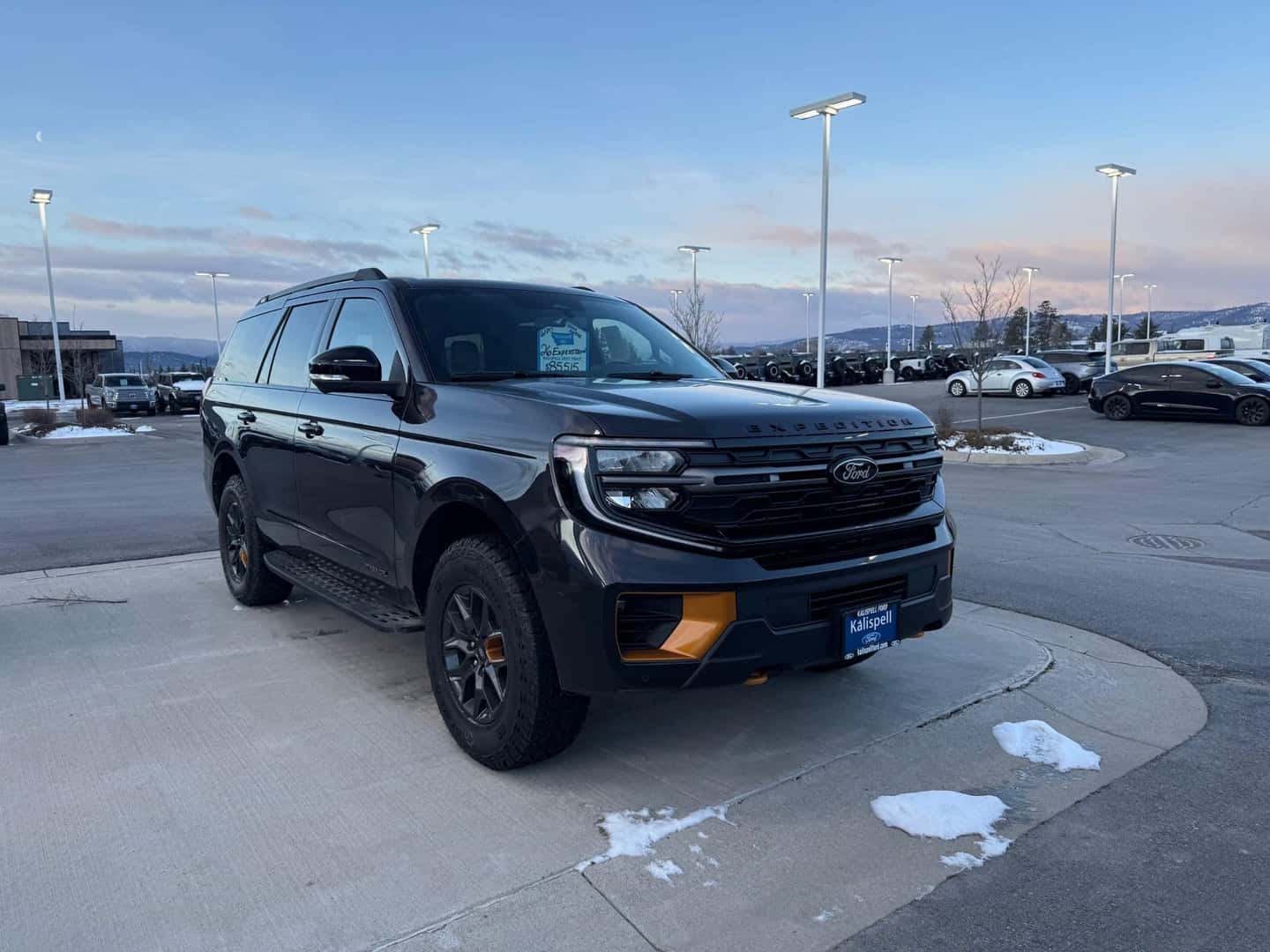
- Ford Expedition – Up to 9,600 lbs
- Ford Explorer – Around 5,000 lbs standard
- Ford Bronco – Up to 3,500–4,500 lbs
- Ford Escape – Up to 3,500 lbs
👉 Compared to rivals:
- The Explorer lines up with SUVs like the Kia Telluride (~5,000–5,500 lbs range)
- The Expedition out-tows most full-size SUV competitors in its class
Browse our New Ford SUV inventory.
Why Ford Excels at Towing
Ford consistently leads in towing for a reason:
- EcoBoost engines deliver high torque at low RPMs
- Advanced features like Pro Trailer Backup Assist make towing easier
- Strong truck frames (especially on Super Duty models) handle extreme loads
In short: Ford builds vehicles specifically with towing in mind—not as an afterthought.
What You Should Actually Tow (Real-World Tip)
Here’s where people mess up:
Just because your truck is rated for 13,500 lbs doesn’t mean you should tow that daily.
A safer rule:
- Stay around 70–80% of max towing capacity
- Factor in passengers, cargo, and elevation (important in Montana)
Choosing the Right Ford for Towing
Here’s a simple breakdown:
- Light towing (jet skis, small trailers): Escape, Bronco Sport
- Mid-range towing (campers, boats): Explorer, Bronco
- Heavy towing (large campers, equipment): F-150
- Extreme towing (horse trailers, construction): Super Duty
Final Thoughts: What Is Towing Capacity?
Towing capacity is more than just a number—it’s a carefully calculated limit based on your vehicle’s total capability.
If you understand how it’s calculated and what affects it, you’ll make a much smarter decision when choosing your next vehicle.
Ready to Tow with Confidence?
Whether you need a capable SUV or a serious work truck, Kalispell Ford has options built for Montana driving and towing needs.
Stop by today or talk with our team to find the right Ford for your lifestyle.
0 comment(s) so far on What Is Towing Capacity? (And How Is It Calculated)