


Should You Lift Your Truck or SUV? A Montana Driver’s Guide
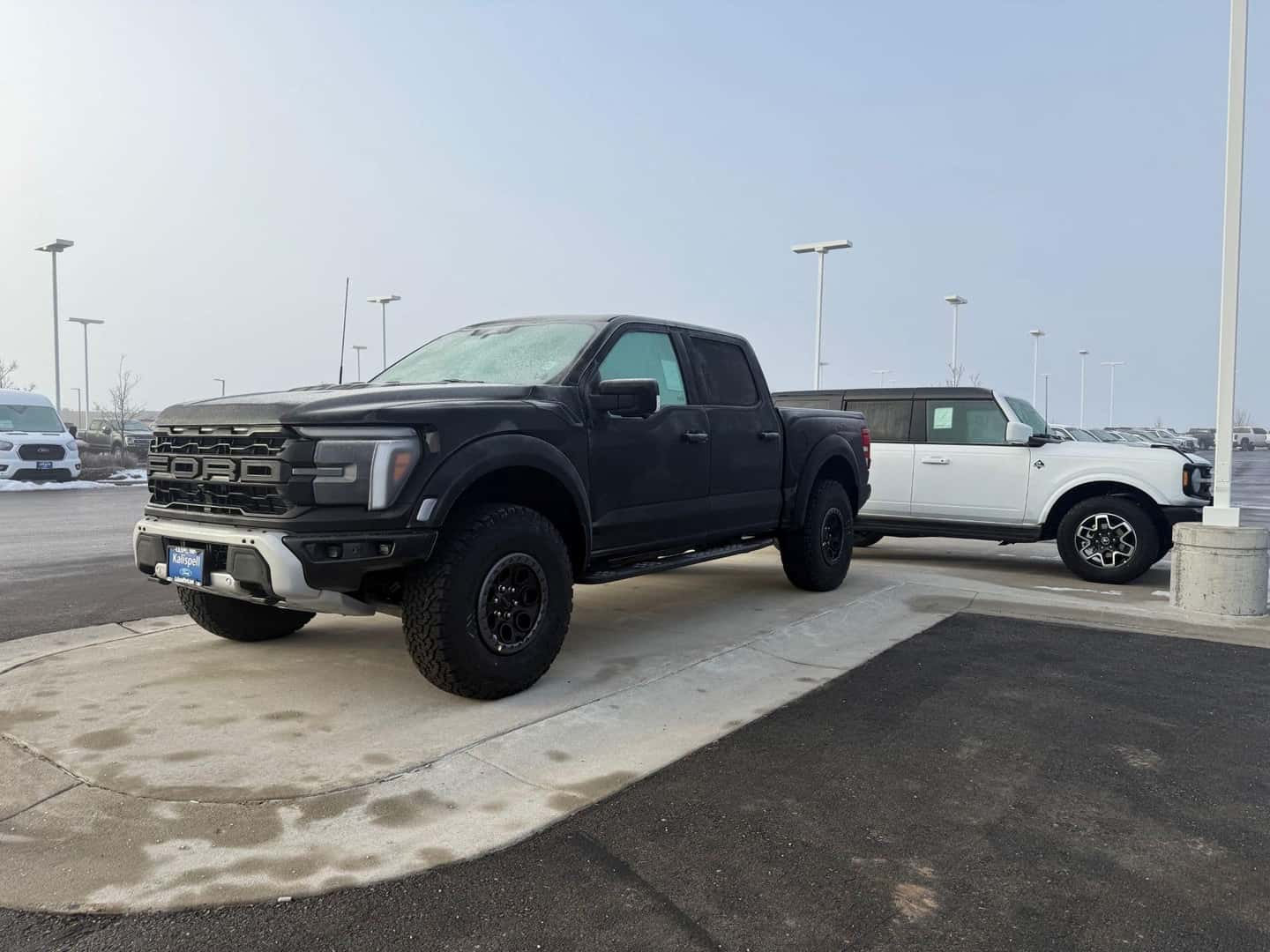
Should You Lift Your Truck or SUV? A Montana Driver’s Guide
If you spend any amount of time driving around Northwest Montana, you’ve probably noticed plenty of lifted trucks and SUVs. From exploring Forest Service roads near Whitefish to hauling a camper into Glacier Country, a lifted vehicle can offer real advantages, but it’s not the right choice for everyone.
So, should you lift your truck or SUV? The answer depends on how you use your vehicle, where you drive, and what you expect from the upgrade.
Here’s what Montana drivers should know before installing a lift kit.
Why Do People Lift Their Vehicles?
A lift kit raises your truck or SUV higher off the ground, increasing ground clearance and allowing for larger tires.
Many Montana drivers choose to lift their vehicles because they:
- Tackle rough forest roads and two-track trails.
- Camp and overland throughout the Flathead Valley
- Need extra clearance during winter.
- Want a more aggressive appearance.
- Improve off-road capability
Whether you’re driving a Ford F-150, Super Duty, Bronco, Ranger, or Expedition, a properly installed lift kit can completely change the look and performance of your vehicle.
Benefits of Lifting Your Truck or SUV
Better Ground Clearance
One of the biggest advantages is additional clearance underneath the vehicle. This helps you avoid rocks, ruts, snow buildup, and uneven terrain commonly found on Montana backroads.
If you frequently travel to trailheads, campsites, or remote hunting areas, this extra height can make a noticeable difference.
Larger Tire Options
A lift often allows you to install larger all-terrain or mud-terrain tires.
Benefits include:
- Improved traction
- Better approach and departure angles
- Increased confidence on gravel roads
- Enhanced performance in snow and mud
For many Montana drivers, larger tires provide just as much benefit as the lift itself.
Improved Off-Road Capability
Vehicles like the Ford Bronco and F-150 are already capable off-road, but a quality lift kit can improve performance when navigating rough terrain.
Whether you’re exploring the Swan Range, heading toward Hungry Horse Reservoir, or accessing dispersed camping, additional clearance can help protect your undercarriage.
Aggressive Appearance
Let’s be honest—a lifted truck looks good.
Many owners choose a lift because they enjoy the commanding stance and customized appearance. It’s one of the most popular aftermarket upgrades for full-size trucks.
Potential Downsides
A lift isn’t without trade-offs.
Lower Fuel Economy
Larger tires and increased ride height create more aerodynamic drag and add weight, which can reduce fuel efficiency.
Higher Cost
Besides the lift kit itself, you may also need:
- Larger tires
- New wheels
- Alignment
- Suspension upgrades
- Speedometer recalibration
Quality installations are an investment, and cheaper kits often lead to poor ride quality or premature suspension wear.
Different Ride Characteristics
Depending on the lift size and components used, your vehicle may:
- Feel taller in corners.
- Have a firmer ride
- Require a longer stopping distance with larger tires.
Choosing the right kit, and having it professionally installed—helps minimize these changes.
Garage Clearance
A lifted truck with oversized tires may no longer fit in some garages, parking structures, or car washes.
Is a Lift Worth It for Montana Drivers?
For many people in the Flathead Valley, the answer is yes.
If you regularly:
- Camp in remote areas
- Hunt on public land
- Drive snowy mountain roads.
- Explore Forest Service roads.
- Tow outdoor recreation equipment.
A moderate lift can improve capability without sacrificing everyday comfort.
However, if your truck spends nearly all its time commuting around Kalispell and on paved highways, a lift may provide more style than practical benefit.
What Size Lift Makes Sense?
There isn’t a one-size-fits-all answer.
Generally speaking:
- Leveling kit: Great for improving appearance while maintaining factory ride quality.
- 2–3 inch lift: A popular option that balances daily driving and off-road performance.
- 4+-inch lift: Best suited for serious off-road enthusiasts seeking maximum tire clearance and capability.
Choosing the right setup depends on your driving habits and long-term goals.
Professional Installation Matters
Suspension components work together to keep your vehicle safe, stable, and comfortable.
Professional installation helps ensure:
- Proper alignment
- Correct suspension geometry
- Safe steering performance
- Reliable braking
- Long-term durability
A quality installation also helps prevent uneven tire wear and handling issues down the road.
Upgrade Your Ford for Montana Adventures
Whether you’re building the perfect camping rig, preparing for hunting season, or simply want a more capable daily driver, lifting your truck or SUV can be a worthwhile upgrade when done correctly.
If you’re considering a lift kit, the service experts at Kalispell Ford can help you determine what fits your vehicle, your driving style, and your adventures across Northwest Montana.
Stop by our service department to discuss suspension upgrades, tire options, and accessories that help you get the most out of your Ford.
Frequently Asked Questions
Does lifting a truck void the warranty?
Not necessarily. A lift alone doesn’t automatically void your warranty, but damage caused directly by aftermarket modifications may not be covered.
Are lifted trucks better in snow?
Additional ground clearance can help in deeper snow, but quality winter tires and four-wheel drive remain the biggest factors for winter performance.
Can I still tow with a lifted truck?
Yes, although towing characteristics may change depending on lift height, tire size, and suspension modifications. It’s important to stay within your vehicle’s towing limits.
Should I lift my daily driver?
If you enjoy outdoor recreation and frequently drive Montana’s backroads, a moderate lift can be a practical upgrade. If you primarily commute on pavement, you may prefer a leveling kit or factory suspension.
0 comment(s) so far on Should You Lift Your Truck or SUV? A Montana Driver’s Guide