


How Long Do Ford Brake Pads Last?
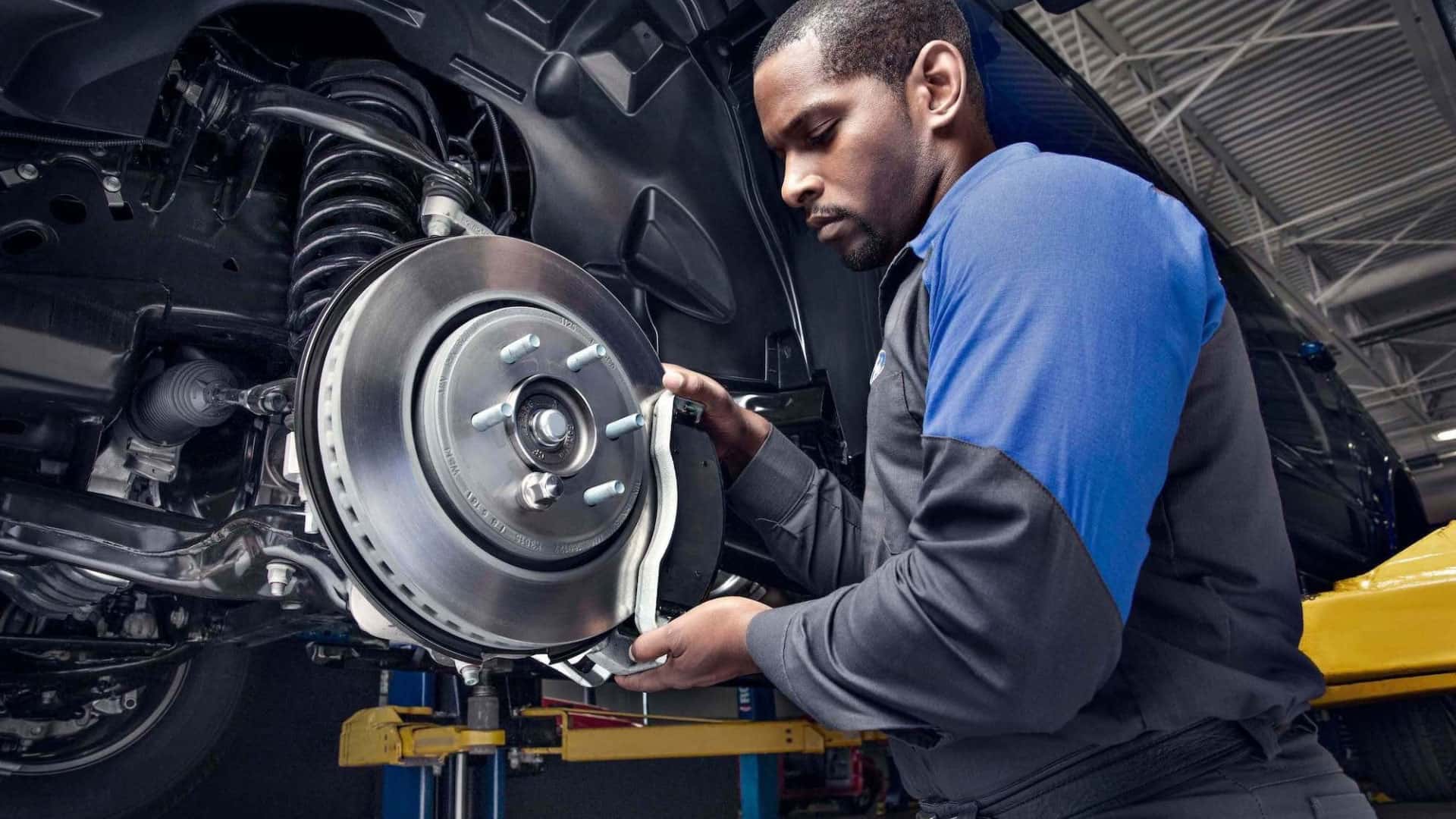
How Long Do Ford Brake Pads Last?
Ford brake pads typically last 30,000 to 70,000 miles, although the actual lifespan depends heavily on your driving habits, vehicle, brake system, and driving conditions. Frequent towing, stop-and-go driving, mountain roads, and heavy loads can cause brake pads to wear faster.
For Ford drivers in Kalispell and throughout the Flathead Valley, understanding how long brake pads should last can help you recognize wear before it becomes a more expensive brake repair.
How Many Miles Do Ford Brake Pads Last?
There is no single replacement interval for every Ford vehicle. A Ford F-150 used primarily for highway driving may go significantly longer between brake pad replacements than an F-150 that regularly tows a trailer through Montana’s mountain roads.
As a general guideline:
- 30,000–40,000 miles: Possible for vehicles exposed to heavy use, towing, or frequent stop-and-go traffic
- 40,000–60,000 miles: Common range for many drivers
- 60,000–70,000+ miles: Possible with lighter driving and favorable conditions
Your Ford’s maintenance schedule and actual brake pad thickness are more useful than mileage alone. During routine service, a technician can inspect the pads and determine how much usable material remains.
What Causes Ford Brake Pads to Wear Faster?
Several factors can affect brake pad life.
Stop-and-Go Driving
Frequent braking in city traffic puts more heat and friction into the braking system. Drivers who spend most of their time in town may replace brake pads sooner than drivers who primarily travel on the highway.
Towing and Heavy Loads
Ford trucks and SUVs are designed for towing and hauling, but additional weight increases the amount of work required from the brakes.
If you frequently tow with an F-150, Super Duty, Expedition, or another Ford vehicle, brake components can experience more wear than they would under lighter driving conditions.
Mountain Driving
Driving through Montana’s mountain passes can also increase brake wear. Long downhill sections require careful speed management and can generate significant heat when the brakes are used continuously.
Using appropriate gears and engine braking when conditions allow can help reduce unnecessary brake use on extended descents.
Driving Habits
Hard braking and aggressive acceleration followed by frequent braking can shorten brake pad life. Smoothly anticipating traffic and maintaining a safe following distance can reduce unnecessary braking.
How Do You Know Your Ford Needs New Brake Pads?
Mileage isn’t the only indication that brake pads need attention. Watch for changes in how your Ford feels or sounds when braking.
Common signs of worn brake pads include:
- Squealing or squeaking when braking
- Grinding or scraping noises
- A brake pedal that feels different than usual
- Increased stopping distance
- Steering-wheel or pedal vibration during braking
- A brake warning light
- Your Ford pulling to one side while braking.
- Visible wear on the brake pads
A small amount of brake noise does not automatically mean your pads need to be replaced. Brake noise can have several causes, including brake dust, moisture, rotor condition, or the brake pad material itself.
However, grinding brakes should not be ignored. Continuing to drive with severely worn brake pads can allow the backing plate to contact the rotor, potentially causing additional damage.
Do Front or Rear Ford Brake Pads Wear Faster?
Front brake pads commonly wear faster than rear pads because the front brakes generally handle a larger share of the vehicle’s braking force.
However, this varies by Ford model and braking system. Electronic parking brakes, regenerative braking on electrified models, vehicle weight, towing, and driving conditions can all affect brake wear.
That’s why it’s better to have all four wheels inspected rather than assuming the front or rear brakes are due for replacement based solely on mileage.
How Often Should Ford Brakes Be Inspected?
It’s a good idea to have your brakes inspected whenever your Ford is receiving routine maintenance, particularly if you notice a change in braking performance.
A brake inspection can check:
- Brake pad thickness
- Rotor condition
- Brake calipers
- Brake hardware
- Brake fluid condition
- Signs of uneven wear
- Other components of the braking system
Regular inspections can help identify worn brake pads before they become a larger repair.
Montana Driving Can Affect Brake Life
Brake wear can be different for drivers in Kalispell, Whitefish, Columbia Falls, Bigfork, and throughout the Flathead Valley compared with drivers in areas with flatter terrain.
Winter driving can introduce additional challenges as well. Snow, ice, road salt or de-icing materials, moisture, and road debris can affect brake components and contribute to corrosion over time.
If you regularly travel through the mountains, tow recreational equipment, or drive in winter conditions, keeping up with brake inspections is especially important.
Get Your Ford Brakes Inspected in Kalispell
If you’re hearing unusual brake noises, feeling vibrations when stopping, or aren’t sure how much life your Ford’s brake pads have left, a brake inspection can give you a better idea of what your vehicle needs.
Kalispell Ford can inspect your Ford’s braking system and help determine whether the brake pads, rotors, or other components need attention.
For drivers in Kalispell, Whitefish, Columbia Falls, Bigfork, Evergreen, and throughout the Flathead Valley, scheduling an inspection can help keep your Ford ready for Montana’s roads and changing driving conditions.
Frequently Asked Questions
How long do Ford brake pads last?
Ford brake pads commonly last around 30,000 to 70,000 miles, but lifespan varies depending on driving habits, towing, vehicle type, terrain, and other factors.
How do I know if my Ford brake pads are bad?
Squealing, grinding, vibrations, changes in pedal feel, increased stopping distance, or a brake warning light can indicate a brake problem. A professional inspection can determine whether the pads are actually worn.
Should I replace brake pads and rotors at the same time?
Not necessarily. Brake rotors do not automatically need to be replaced whenever brake pads are replaced. Their condition and remaining thickness should be inspected to determine whether replacement is necessary.
How long can I drive with worn brake pads?
It depends on how much brake material remains. If your pads are severely worn or you’re hearing grinding, continuing to drive can cause additional damage and compromise braking performance. Have the brakes inspected as soon as possible.
Does towing wear out Ford brake pads faster?
It can. Towing and hauling add weight to the vehicle, which can increase the work required from the braking system. Frequent towing may result in faster brake wear than normal unloaded driving.
0 comment(s) so far on How Long Do Ford Brake Pads Last?